 Admin
Admin
10 Jun 2024


10 Jun 2024
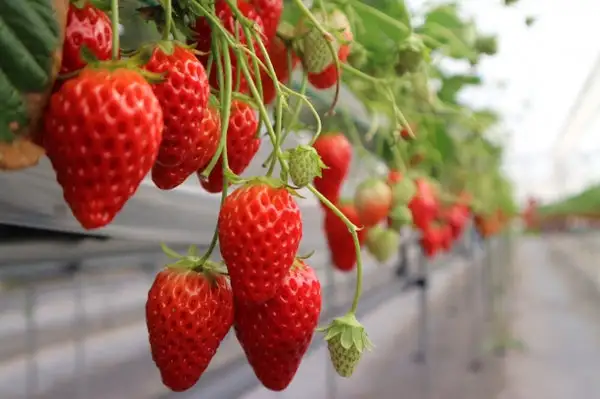
Strawberry farming is rapidly gaining popularity among smallholder farmers and commercial agribusinesses alike, and for good reason. Beyond being a delicious fruit, strawberries offer high economic returns, multiple market opportunities, and the potential for year-round cultivation.
High Market Demand
Strawberries are a favorite in fresh fruit markets, desserts, juices, jams, and confectionery. With urbanization and growing health-conscious consumers in Kenya and across East Africa, the demand for fresh, high-quality strawberries continues to rise. This ensures steady sales and premium prices, especially for quality produce.
Short Harvest Cycles
Strawberries have a relatively short production cycle of 3–4 months, allowing multiple harvests per year. Farmers can therefore generate frequent cash flows, unlike many other crops that have longer gestation periods.
High Yield per Unit Area
Strawberries are highly productive, yielding up to 1–2 tons per 100 square meters under good agronomic practices. This translates to a higher income per hectare compared to many conventional crops.
Value Addition Opportunities
Beyond fresh sales, strawberries can be processed into jams, preserves, juices, yogurt toppings, and desserts. This adds layers of value creation and revenue diversification, helping farmers maximize profits.
Agro-Tourism & Niche Markets
Strawberry farms can also serve as agro-tourism destinations where visitors pay to pick their own fruit. Additionally, organic and greenhouse strawberries command premium prices in local and export markets.
Integration with High-Tech Farming
Strawberries thrive in controlled environments like greenhouses or vertical systems. With drip irrigation and nutrient management, farmers can increase yields, reduce pest incidences, and optimize water use, making it a highly efficient crop.
Strawberry farming is more than just growing a fruit—it’s a profitable venture that combines agronomic innovation with market demand. With proper management, access to quality inputs, and market linkages, strawberry farming can deliver high returns, consistent cash flow, and long-term sustainability.
Investing in strawberry farming today is a step towards sweet profits and agricultural success.
Admin
10 Jun 2024

Admin
10 Jun 2024
Admin
10 Jun 2024
 Money Grow!